In Atlanta, data helps reveal the true face of the eviction crisis



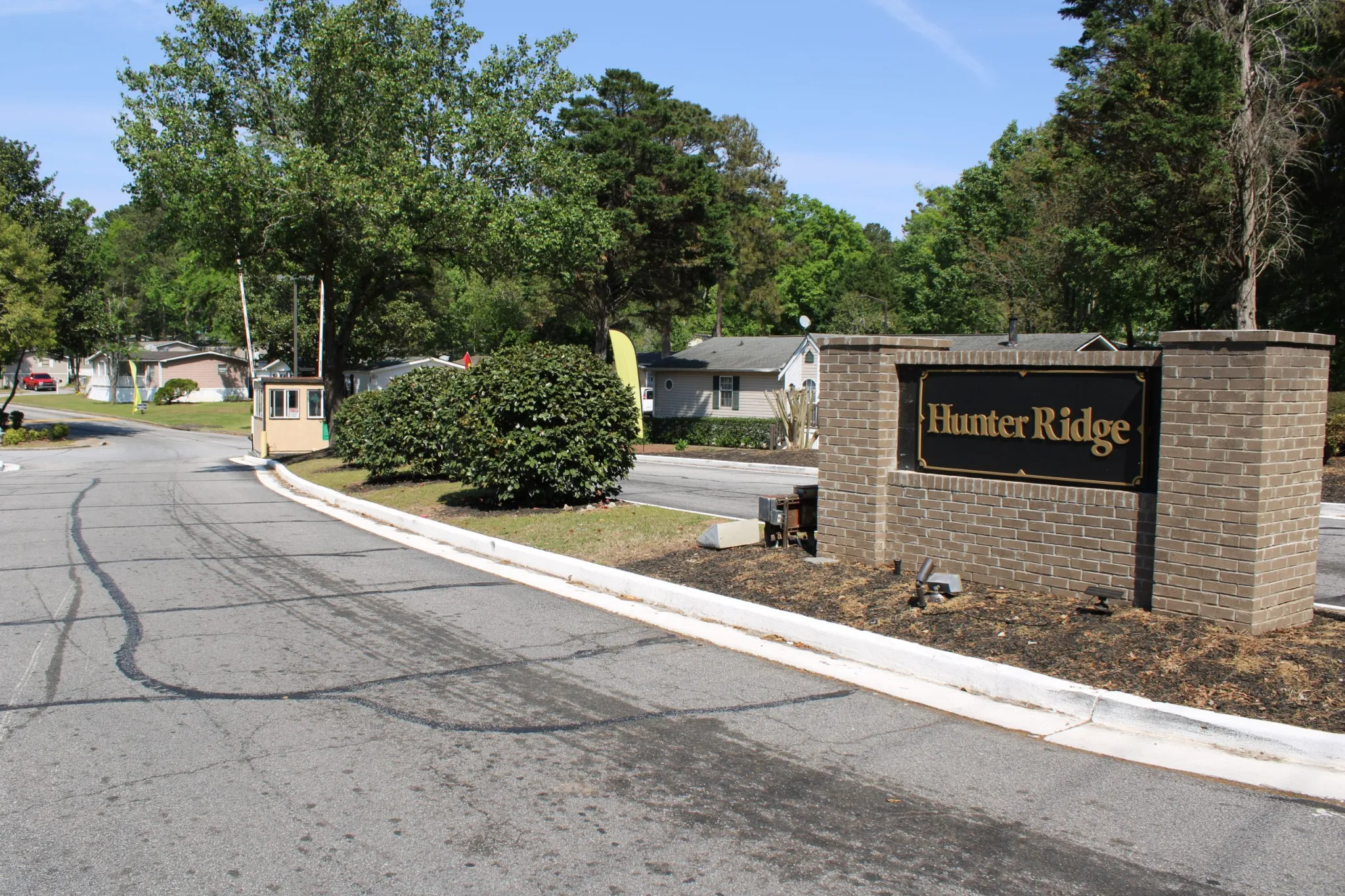 Hunter Ridge, metro Atlanta’s #1 eviction hotspot. Credit: Chauncey Alcorn/Capital B
A pest-infested fridge and stove. Damaged doors and ceilings. Hundreds of eviction notices. And countless defeated tenants. That’s what Chauncey Alcorn found when he visited Hunter Ridge trailer park in the outskirts of Atlanta — the complex contributing the most to the city’s crippling eviction crisis.
“We knew [the housing crisis] was bad, but we didn’t know it was that bad,” the Capital B reporter says.
River Valley Communities, the parent company for Hunter Ridge, filed 491 eviction filings against tenants in 2025. This is higher than any other housing complex in the five counties included in Atlanta’s recently released data by Eviction Lab. Alcorn used the Eviction Hotspot list, featured in this dashboard, as the foundation for an investigative series with Capital B.
READ THE ARTICLE:
This Trailer Park Helped Make Atlanta the Eviction Capital of America
Chauncey Alcorn, Capital B News
“[The data was] basically pointing an arrow like, ‘Go here,” Alcorn says. “We started going door to door…. And it didn’t take long to see that there was a big problem.”
The new Eviction Lab data, released in February, found 144,000 eviction filings were filed in the region in 2025 — that’s more filings than in New York City or the whole state of Virginia. This ranked Atlanta as the most evicting site across the more than 30 cities and 10 states we track, with one eviction filing for every 25 renter households. In Atlanta, more than 60% of evictions also disproportionately impacted Black renters.
Amid the region’s broader housing crisis, the Hunter Ridge mobile home park owners turned to the court system to file evictions at high rates. Our research shows that most landlords rarely evict, but some outliers do so excessively.
In Atlanta, landlords for just 100 addresses account for 15% of all evictions filed. While this concentration is lower than other cities in our tracker, like South Bend or Albuquerque — where about half of filings are tied to 100 buildings — the scale is still alarming. More than 22,000 evictions annually are filed in these top evicting buildings in the Atlanta region. This is higher than the total number of cases filed across the entire state of Connecticut in 2025.
But what does this mean to the people who live in one of these “top evictors”?
When Alcorn started talking to tenants, concerning landlord practices became evident.
“There seemed to be a pattern of folks who either would miss their rent by a few dollars or be late a few days, who, within days, would get an eviction, almost like it was automated,” Alcorn says, recounting his experience when talking to tenants.
At Hunter Ridge, many tenants were facing what researchers call “serial evictions,” a phenomenon where landlords constantly file evictions against the same residents, often to pressure them into paying rent. This strategy not only acts as a fear-driven rent collection method, but also adds on hundreds of dollars in late fees, attorney costs and more to rent that can already be out of reach for many. To make matters worse, tenants also face barriers when finding new housing in the future, thanks to filings marking their record for years.
Alcorn’s reporting found one tenant who faced up to 13 separate eviction filings from parent company River Valley Communities in less than two years at Hunter Ridge. Each month, they paid an estimated $200 to $400 in additional fees after being locked out of the online portal system used to pay rent. All of this is happening in an area of high poverty, where the average income per capita is around $21,000.
“The one thing that stands out to me the most is, how is this legal?” Alcorn adds, expressing his shock at the situation not only at Hunter Ridge but also in the Atlanta region, where families need to work at least 169 hours a week at minimum wage just to afford a one-bedroom apartment at fair market rent.
Eviction Lab’s findings sparked interest not just from Capital B, but other local outlets like WABE, Channel 2 and 95.5 WSB.
“The data can tell the story,” Alcorn said. “But, you know, a common thing that you have to remind yourself of in this business is this is about people and how they’re impacted.”
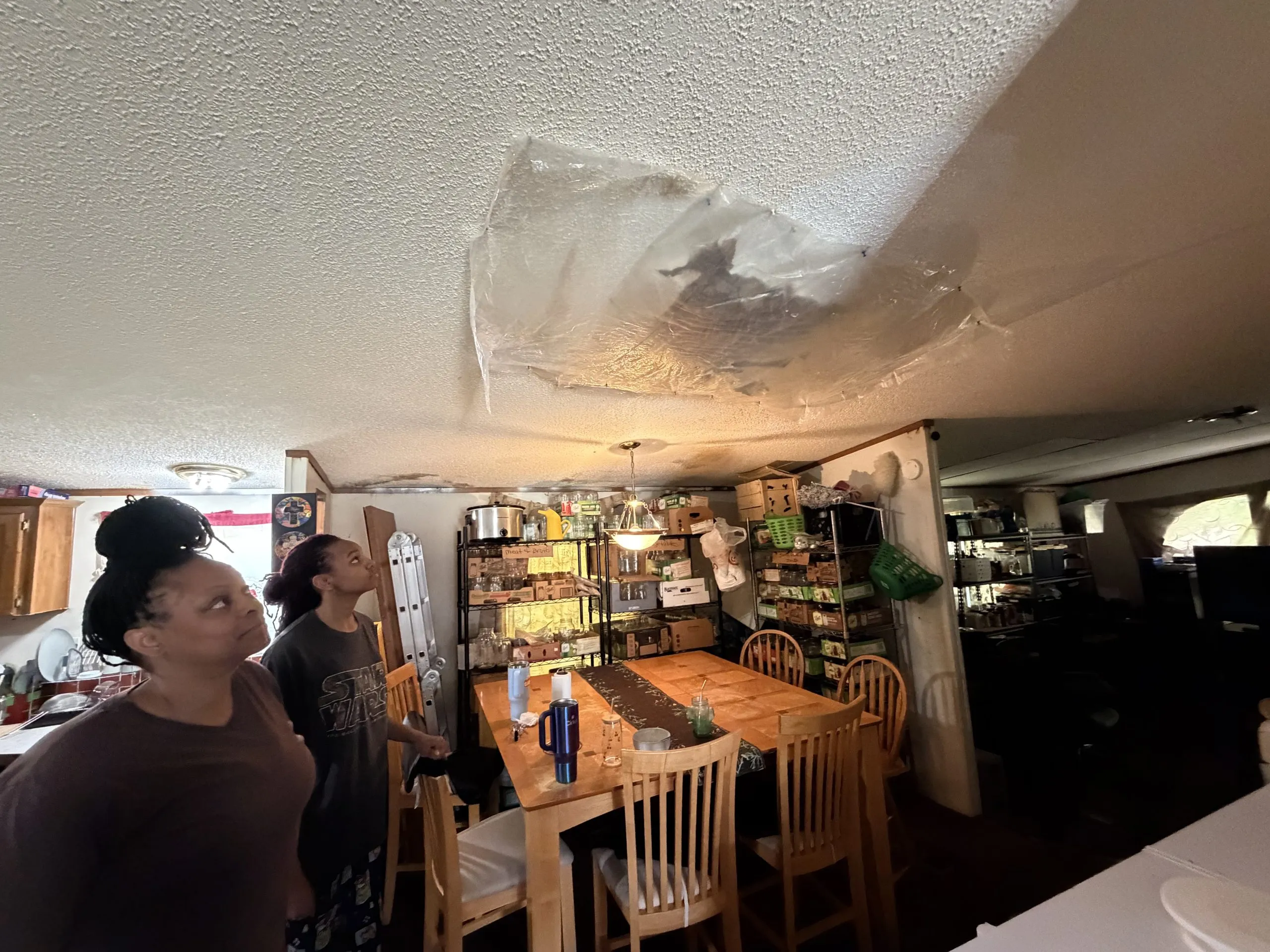
The high evicting activity wasn’t the only problem for tenants, as Alcorn quickly realized. In Georgia, 15% of all housing units have bad conditions, and this was even more evident in Hunter Ridge. Many of the residents mentioned issues like pests, broken appliances and more, but no case was like Ana Ivory’s, a mother of four and wife who has lived in the complex for more than 14 years.
Ivory had a hole in her kitchen ceiling the size of a coffee table. As she waited for repairs for about nine months, she had no alternative but to cover it with a tarp, reporting details.
“The bad actors, they feel like there’s no accountability, so they can just take advantage of people,” Alcorn says.
However, by the third publication in the series, tenants began to see some change.
In Ivory’s case, it seems she will finally get the repairs she deserves, as maintenance workers have been in and out of her home in the days since Capital B published her story. County code enforcement officers issued dozens of violations at Hunter Ridge after a recent quality of life sweep, reporting details. And county officials have expressed interest in visiting the complex.
“Situations like this deserve careful attention and a thoughtful, fact-based response,” District 3 Clayton County Commissioner Tashé Allen told Capital B.
This is not the only reaction that this data release has received from elected officials. In Atlanta proper, councilmember Kelsea Bond cited Eviction Lab’s data as she pushed for an audit of the municipally-funded Housing Help Center, an agency that should be helping tenants.
“Having an eviction on your court record makes it a lot harder to get another place. So [it’s] almost like you’re trapped in this substandard housing and forced to pay bills in these places that you know are not fair in a lot of instances,” Alcorn adds.
The problems facing tenants at Hunter Ridge are far from over and surely not uncommon. Across the country, renters continue to navigate rising housing costs, unsafe conditions and the threat of eviction. But data and rigorous journalism can be a first step toward change. When used intentionally, eviction data can do more than document a crisis after the fact. Data can help identify patterns, expose harmful practices beyond the trends and create real opportunities to help families avoid eviction.
 Filed under blogFiled under blog